EU leaders back EU Inc — from proposal to political priority


EU leaders back EU Inc — from proposal to political priority

In brief

  • On 19 March 2026, the European Council endorsed the "One Europe, One Market" agenda and explicitly included a 28th regime for company law as a priority measure for 2026. EU leaders called on the co-legislators to adopt the 28th regime by the end of 2026, on the basis of the Commission proposal of 18 March.
  • No new legal text was published on 19 or 20 March. The only legal text remains the Commission proposal of 18 March 2026. What changed is the political level: EU Inc. moved from proposal stage into the centre of the Union's competitiveness agenda, with timelines attached.
  • The proposal now enters the ordinary legislative procedure. The European Parliament and the Council of the EU will negotiate, amend, and ultimately adopt or reject the text. The political signal is strong, but the legal shape is still open.
  • In the coming days, we will follow up with a closer reading of the proposal package itself — the legal detail, the design choices, the gaps, and what they mean in practice.

What changed

On 18 March 2026, the Commission published the EU Inc. proposal. One day later, EU leaders did not introduce a new text — but they elevated EU Inc. to a top-level political priority with a deadline.

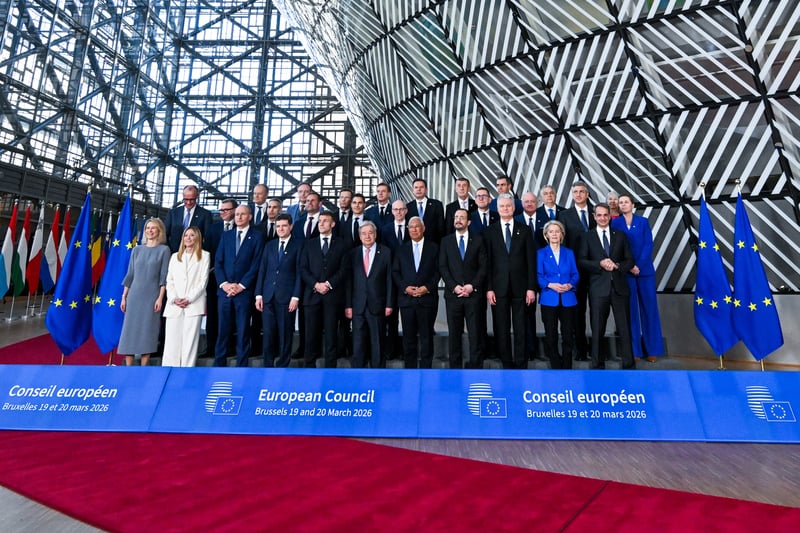
In the European Council conclusions, leaders launched a "One Europe, One Market" agenda with concrete measures and ambitious timelines, to be implemented in 2026 where possible and by the end of 2027 at the latest. Within that agenda, they named the 28th regime for company law as a priority for this year and called on the co-legislators to adopt it by the end of 2026 — digital by default, helping companies operate and scale up across the Single Market.

António Costa confirmed this clearly at the post-summit press conference: leaders endorsed the "One Europe, One Market" agenda as an ambitious action plan with clearly defined timelines to be implemented by the end of 2027 but mostly this year, in 2026. On the 28th regime specifically, he said that by the end of the year, leaders expect to approve the Commission's newly presented proposal to create a single voluntary regime for all companies wishing to adopt it to operate across the internal market.

EU Inc. is no longer just a Commission proposal. It is now politically backed at the highest EU level — with a timeline attached.


What did NOT change

There is no new EU Inc. legal document from 19 or 20 March. The European Council did not approve the law, did not amend the text, and did not replace the proposal. It set political direction, attached urgency, and placed EU Inc. inside a wider competitiveness agenda. The legal text remains the Commission proposal of 18 March.


Where EU Inc. now sits

EU Inc. is not being treated as an isolated reform. It is now embedded inside the broader "One Europe, One Market" package — alongside cross-border service simplification, mutual recognition of professional qualifications, the "once-only" principle and a European Business Wallet, product and labelling harmonisation, and the wider simplification agenda. The Commission's own communication framed EU Inc. as the cornerstone and starting point of the 28th regime, with further work to follow in areas like tax, talent, and digital administration.


Additional institutional signals

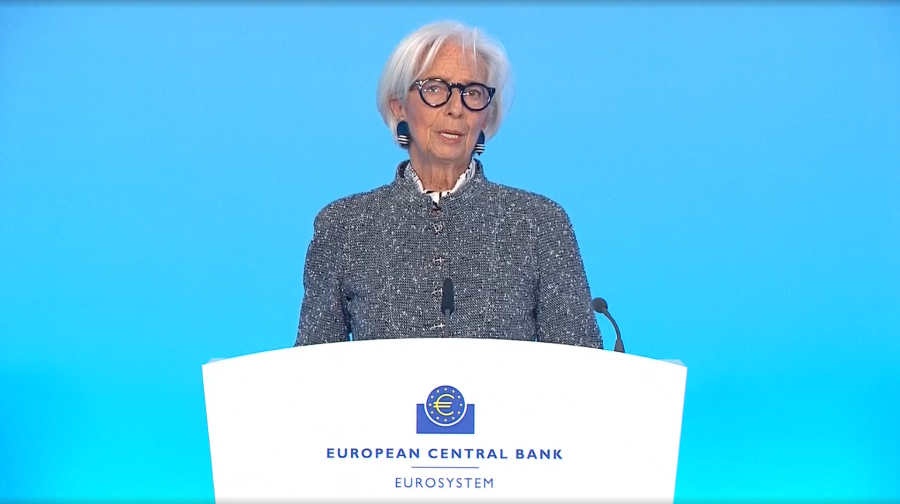
ECB — Christine Lagarde. At the ECB press conference on 19 March, Lagarde confirmed the ECB will look carefully at the newly released 28th regime, including its implications for state aid, mergers, and the banking sector. This is not a political endorsement of the kind the European Council gave — it is a signal that the ECB is paying attention and will factor the regime into its own analysis.

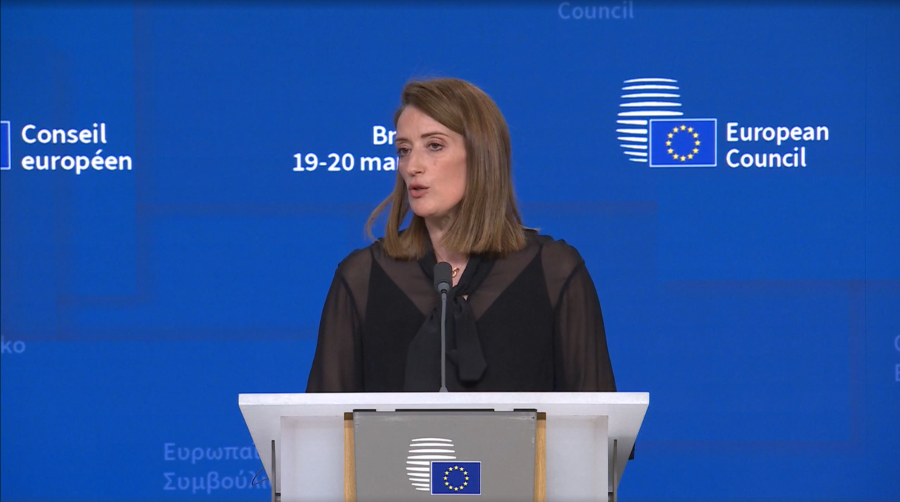
European Parliament — Roberta Metsola. Parliament signalled it wants fixed timelines and concrete delivery — but also that it will not act as a rubber stamp. Even with political pressure from leaders, the legislative track will shape the outcome, not simply confirm it.


Where EU Inc. stands now — approval and change path

European CommissionProposed — published the legal text on 18 March 2026.
European Council (leaders)Politically endorsed — backed the proposal on 19 March, target: adoption by end of 2026.
European ParliamentNot yet — co-legislator. Will examine, amend, and adopt its position.
Council of the EU (member states)Not yet — co-legislator. Technical examination through working-party formation. Can reshape the text.
Trilogues (negotiation)Not yet — Parliament + Council + Commission negotiate the final text.
Final EU lawNot yet — only once both co-legislators complete adoption does EU Inc. become law.


What to watch now


  • Council working-party examination: member states begin technical review and build their negotiating positions.
  • European Parliament positioning: committee ownership, rapporteur assignment, and first substantive reactions. Parliament's JURI committee has already been preparing on the file.
  • Early amendment signals: where member states and MEPs push back — especially on digital-only scope, safeguards, capital flexibility, and the residual role of national law.
  • Whether the end-of-2026 timeline holds under the complexity of negotiation.


Bottom line

In the space of 24 hours, EU Inc. went from a Commission proposal to a politically endorsed European Council priority, with a target of legislative adoption by the end of 2026. That is real momentum — but it is not the same as adoption.

The question is no longer whether EU Inc. will be pursued, but what version of EU Inc. will survive legislation. The political case is largely won for now. The legal shape is not. The next phase is not about launching the idea — it is about shaping the outcome.


Official sources:


Coming next: In the coming days, we will go through the actual proposal package in detail — the regulation text, the impact assessment, and the annex. The announcement phase is now complete; the next step is showing what the Commission actually chose, where the gaps are, and what is most likely to change on the road to adoption.

If this work is useful, please share the newsletter and the28thregime.eu with other founders, startup operators, legal advisers, investors, and policymakers following the file.


Thanks for the support!